Love Svg: Elevate Your Creative Projects with Vector Precision
The Anatomy of a Professional Design Asset
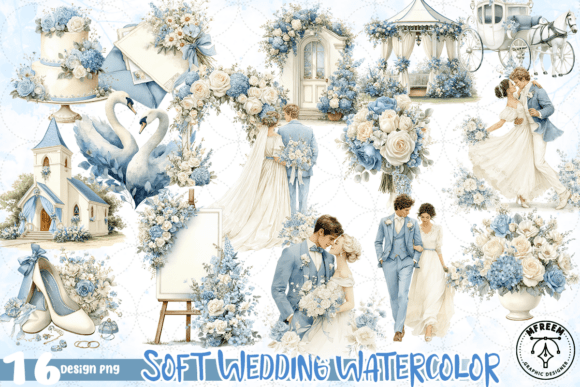
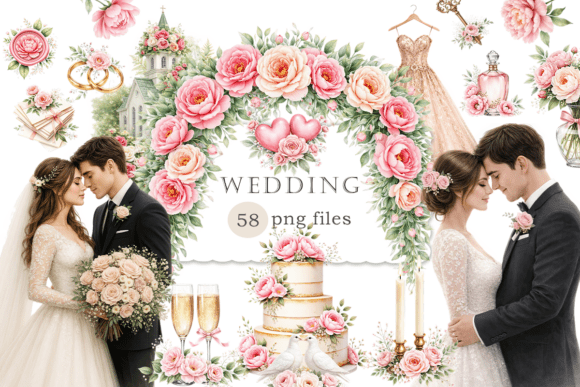
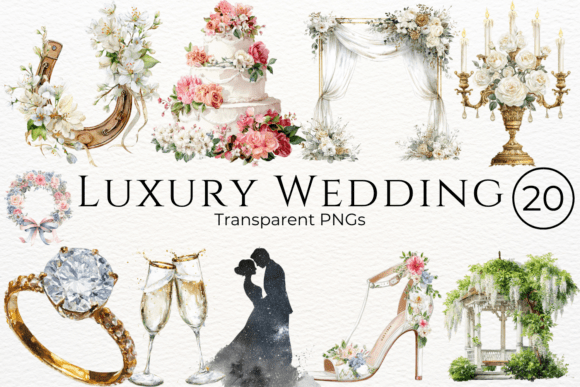
When you are working on a project that centers around emotion—whether it is a Valentines Day Svg campaign or bespoke Wedding Svg stationery—the difference between amateur and professional output often lies in the quality of your raw materials. This collection is not just a set of files; it is a comprehensive toolkit designed for serious creators. The package includes a variety of formats—SVG, EPS, DXF, AI, PNG, and JPG—ensuring that regardless of your software ecosystem, you are covered. The files are meticulously organized, with dedicated projects for each design and colors placed on separate layers. This layering is crucial for brand strategists and marketers who need to quickly swap out color palettes to match specific client guidelines or seasonal campaigns without reconstructing the entire artwork.
The appeal of these assets lies in their versatility. As vector graphics, they are infinitely scalable. You can use the Love Svg files for a tiny favicon on a website or blow them up for a massive trade show backdrop without losing a pixel of quality. The inclusion of high-resolution PNGs (up to 6000 pixels wide) with transparent backgrounds is particularly useful for content creators and bloggers who need to composite images quickly. You do not need to be a master of the pen tool in Adobe Illustrator to use them effectively; the files are pre-crafted with precision, allowing you to focus on layout and storytelling rather than technical cleanup.
Strategic Applications: From Branding to Physical Products
For entrepreneurs and small business owners, the utility of a high-quality Wedding Svg or romantic graphic extends far beyond simple decoration. In the realm of brand identity, these assets can form the backbone of a visual system. Imagine a boutique event planning service using these vectors for their logo design or as consistent motifs across their social media graphics. The clean lines and organized file structure ensure that the brand looks consistent whether the design is printed on a business card or displayed on a digital billboard.
However, the real power of these files shines in packaging design and physical products. Because the collection includes DXF files, it is perfectly optimized for cutting machines like Cricut or Silhouette. This opens up a world of possibilities for tangible goods:
- Custom Apparel: Use the files for heat transfers or screen printing to create unique t-shirts, tote bags, or hoodies.
- Home Decor: Create intricate vinyl decals for wall art, mugs, or glassware that stand the test of time.
- Stationery: Design and print your own greeting cards, wedding invitations, or scrapbook elements with a professional finish.
- Signage: Engrave or cut wood and acrylic signs for events or home decor.
The separation of colors into layers is a massive time-saver for production. If you are a crafter running a small Etsy shop, being able to isolate a specific element of the design allows you to customize products on the fly for individual customer requests. This flexibility turns a static design asset into a dynamic engine for revenue generation.
Typography and Visual Hierarchy in Design
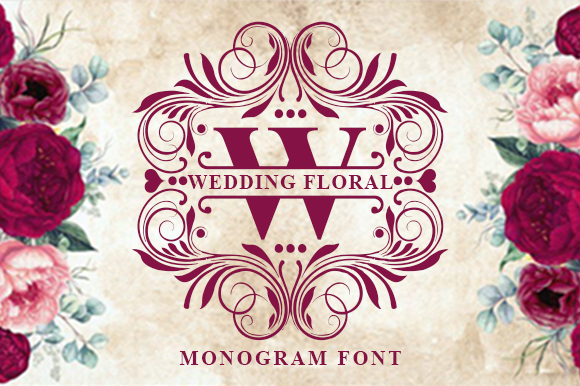
While these assets are primarily graphic illustrations, understanding their role in typography and layout is essential. A complex Valentines Day Svg illustration can serve as a powerful focal point, but it must be balanced with text. When incorporating these vectors into editorial design or web design, consider how the organic shapes of the hearts and florals interact with your chosen typeface.
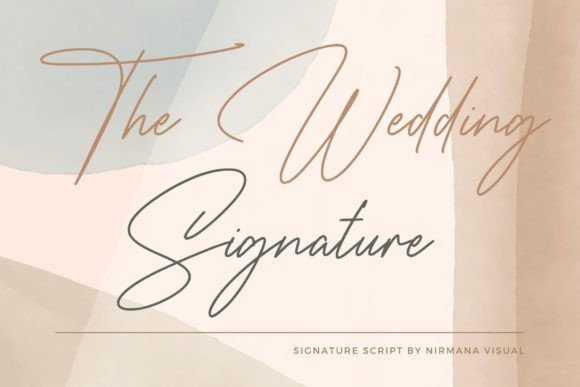
For instance, pairing these intricate, romantic vectors with a clean sans serif font often creates the best visual hierarchy. The detail in the graphic draws the eye, while the simplicity of the sans serif ensures readability for body copy or calls to action. Conversely, pairing them with a flowing script font can amplify the romantic atmosphere, though this requires careful attention to spacing to avoid a cluttered look. The goal is to create a harmonious composition where the imagery enhances the message rather than competing with it.
Optimizing Workflow and File Selection
Efficiency is key in professional design. This collection is organized by format and weight, which helps you manage your digital workspace. When starting a new project, selecting the right file format is the first step toward a smooth workflow. Here is a practical guide for choosing the correct file:
- For Adobe Illustrator & CorelDRAW: Use the .AI or .EPS files. These are fully editable vector formats that allow you to manipulate anchor points and layers.
- For Cutting Machines (Cricut/Silhouette): The .SVG and .DXF files are your go-to. They maintain the cut lines perfectly.
- For Photo Editing (Photoshop): Use the .PNG files. The transparent background allows for easy compositing over other images.
- For Web & Office Use: The .JPG files are lightweight and universally compatible, though they lack transparency.
Before finalizing your design, always test the asset in its intended environment. A Love Svg might look perfect on your monitor, but how does it render on a textured paper stock? Does the line weight hold up when scaled down for a business card? By utilizing the high-quality vector formats provided, you retain the ability to adjust stroke weights and details to suit the medium. This attention to detail is what separates generic "clip art" from high-end design assets that truly elevate a brand's visual presence.